
My Visit to Hornstra Dairy Farm
October 16, 2014
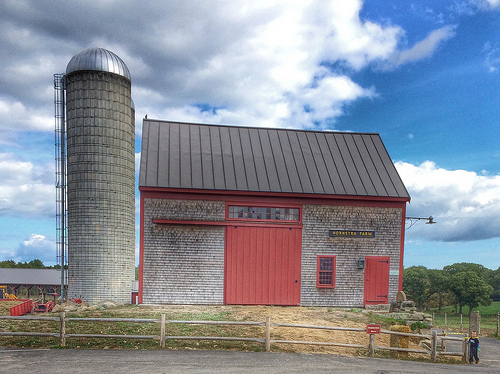
Farms are magical places. They remind us to think about where our food comes from, the hard work involved in producing it, and the importance of maintaining open space where nature and beauty can thrive.
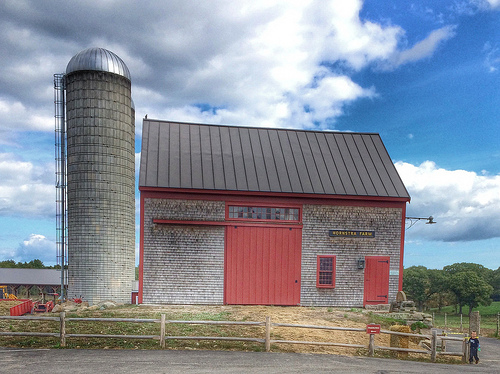
Welcome to Hornstra Farms in Norwell, MA. I had the privilege of touring this 100-year-old dairy farm last week with a group of fellow food and nutrition bloggers and writers and a group from the New England Dairy & Food Council.
It was a happy day.
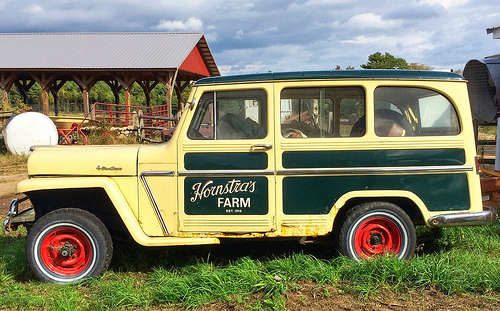
The farm was established in 1915 by the Hornstra family, who moved to New England from Holland.
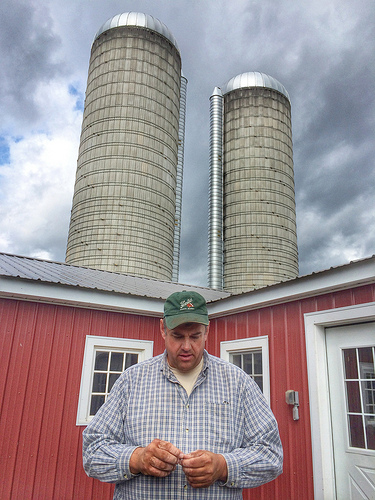
A century later, John Hornstra, a fourth-generation farmer, runs it, and you can feel his commitment to the quality of his milk and the health of his cows in the air … and in the barn … and by the silos. (Those silos, by the way, hold 400 tons of food each.)
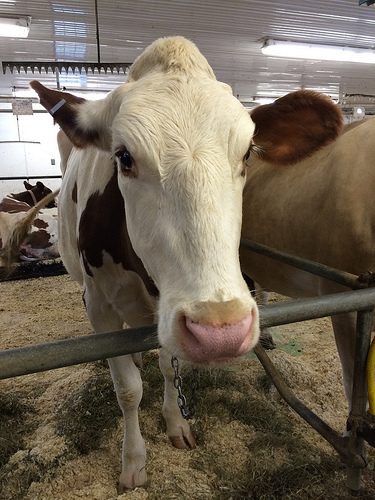
There are 60 cows on the farm. (Isn’t she sweet?) Each of these lovely ladies eats 50 pounds of food a day and produces eight gallons of milk daily. Most of the milk is delivered to 3,500 customers in southeast, MA, and some is sold at the farm’s retail store.
Amid housing developments and shopping malls, this gem of a family farm is doing just fine.
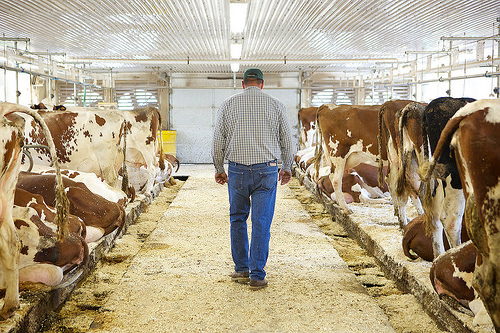
John told us that one of the biggest reasons he keeps the farm going is to teach kids where milk comes from. Yes, some believe it comes from a bottle, so he welcomes everyone, especially kids, to visit his farm and to meet his dairy cows. {Photo courtesy: Robert Castagna Photography}
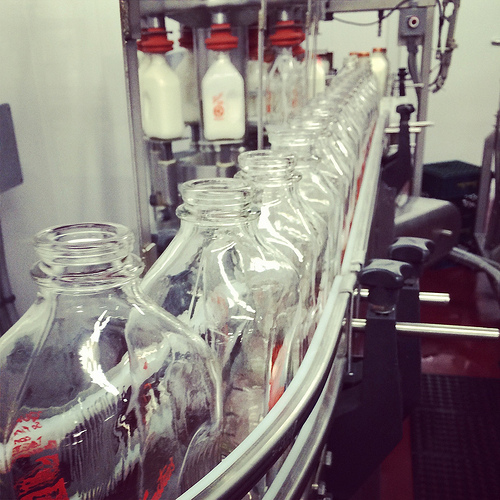
Julia, from Juggling with Julia, was on the tour, and she referred to John in her blog post as a “modern day milk man.” I love that description, because he’s done such a great job merging time-honored farming traditions from the past with present-day techniques that boost milk production in a safe and sustainable way. {The farm does NOT use any synthetic growth hormones.}
Most of the milk you find at the supermarket is pasteurized using the Flash Pasteurization Method, which heats the milk to 161°F for 15 seconds and is then quickly cooled. Hornstra Farms uses the old-fashioned VAT Pasteurization Method where the milk is heated to 145°F for 30 minutes. The benefits are described this way on the Hornstra Farms website: This gives the milk the smooth sweet taste of yesteryear and preserves the naturally occurring enzymes that aid in digestion. It takes more time and effort but we feel it’s worth it.
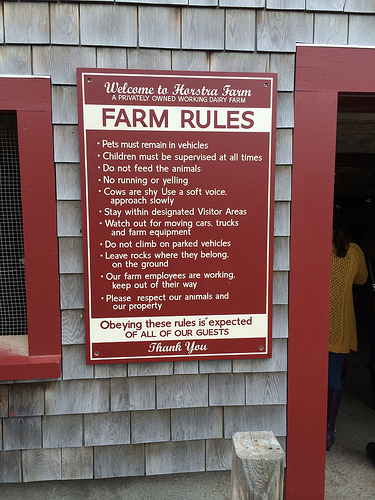
The importance of preserving family farms felt so clear to me after my morning at Hornstra Farms. I wish I lived closer so I could get their milk delivered to my family, but I’ll have to savor the memory of this awesome visit instead.
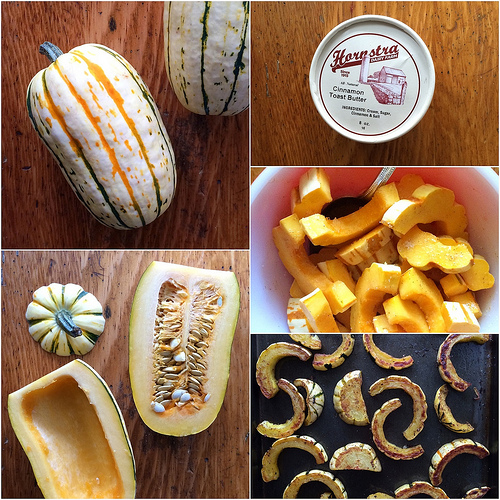
Oh, and I did buy myself a little gift before I left: this luscious Cinnamon Toast Butter, which I just used to make Cinnamon Roasted Delicata Squash Slices. Deeeee-lish!
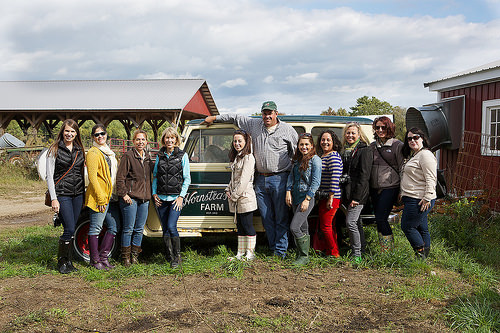
Check out more fabulous posts from some of the other bloggers on the dairy farm tour. {Photo courtesy: Robert Castagna Photography}
Julia from Juggling with Julia: Local Dairy Farms: My Tour of Hornstra Farms
Kara Lydon from The Foodie Dietitian: Dairy Farm Tour at Hornsta Farms
Kathleen from Be Free For Me: Local Dairy – Good for Our Environment, Health, and Economy
Jennifer from Must Be the Milk: Adventures on Hornstra’s Farm Dairy
Beautiful photos and thoughts on preserving space and family farming. There were just SO MANY things to say about this visit – maybe between the group of us, we said it all? So much fun – looking forward to another food adventure with you soon!
It was so much fun to relive this day through your blog post! Thanks for a great recap of the day and for joining us. Hope to do it again someday! Can’t wait to try that recipe!
Love your recap AND your photos! Beautiful! Local farms make me happy too. When’s our next farm tour?! 😉