
The Power of Pork: A Dietitian’s Guide to Cooking, Nutrition, and Lean Cuts
February 13, 2025
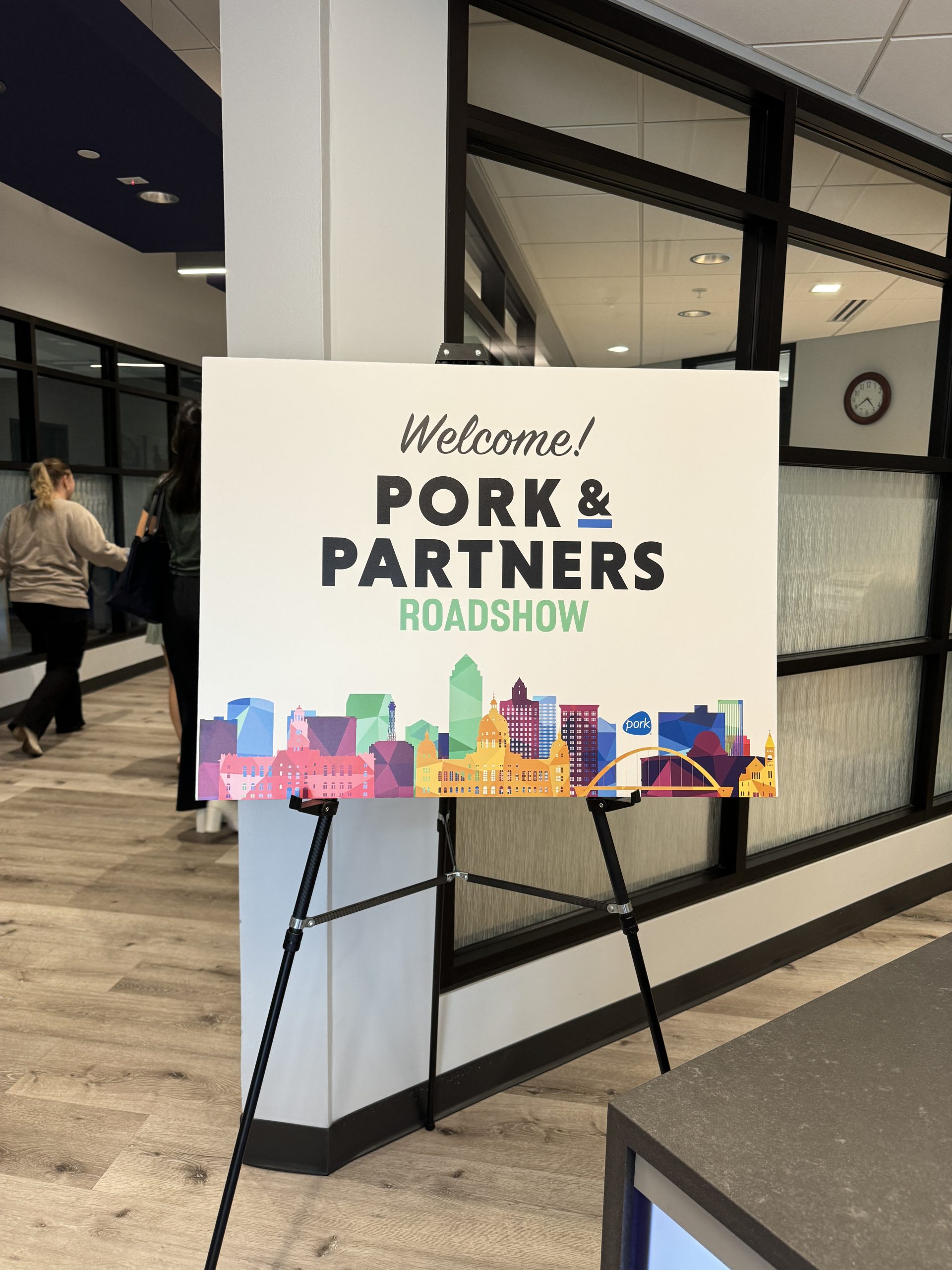
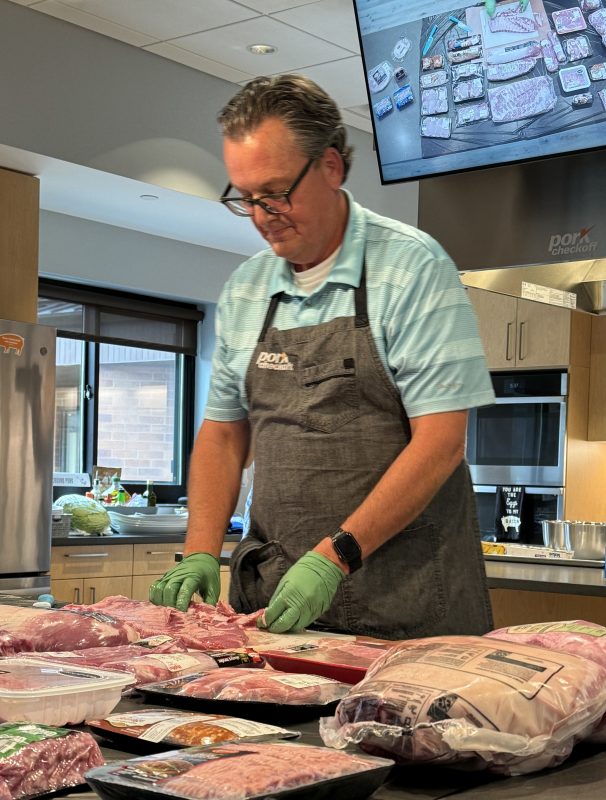
Last August, I traveled to Iowa with a group of dietitians for the Pork & Partners Roadshow hosted by the Pork Checkoff. During the trip, we had an opportunity to cook with various cuts of pork, learn about the nutrient profile in today’s leaner pork, and attend the Iowa State Fare where we sampled everything from their famous pork chop on a stick (a perfectly cooked tender and juicy pork chop) to apple fries and sweet corn.
As a dietitian who came to the meeting with questions about pork, including the leanest cuts, simple cooking techniques, and the correct internal cooking temperature for fresh pork, I learned some important facts that I’ve already put in practice in my home kitchen. Read on for the Power of Pork: A Dietitian’s Guide to Cooking, Nutrition, and Lean Cuts.

Why Pork Deserves a Spot on Your Table
Pork is affordable, nutrient-dense, and a rich source of high-quality protein. It’s popular worldwide, versatile, and a nourishing protein option you can easily include at every meal occasion.
Pork Nutrition Facts: What Dietitians Want You to Know
If you’re looking for lean protein that fits into a balanced diet, pork is a great option. Here are a few key facts:
-
Lean Cuts Galore: There are eight lean cuts of pork, including pork tenderloin, sirloin pork chop, New York pork roast, and 96% lean ground pork. (Note: 96% lean ground pork may be harder to find, so ask your grocery store to stock it!)
-
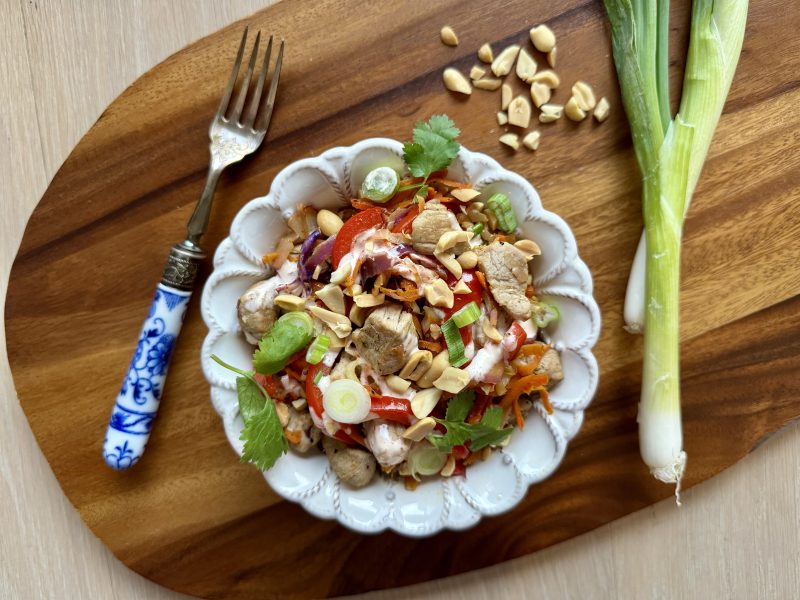
Perfect for Plant-Forward Meals: Pork isn’t just for center-of-the-plate entrees. It’s also a fantastic ingredient for plant-forward meals, like my go-to Egg Roll in a Bowl, which pairs pork tenderloin with vegetables and whole grains.
-
Packed with Protein: A 4-ounce serving of pork tenderloin provides 29 grams of protein and key nutrients like selenium, B vitamins, and zinc.
How to Cook Pork Perfectly (Without Overcooking!)
One of the biggest myths about pork is that it must be cooked until completely white to be safe. This misconception stems, in part, from the industry’s old slogan, “The Other White Meat,” which led some home cooks to believe pork needed to be cooked until until no longer pink, and hence, overcooked and dry.
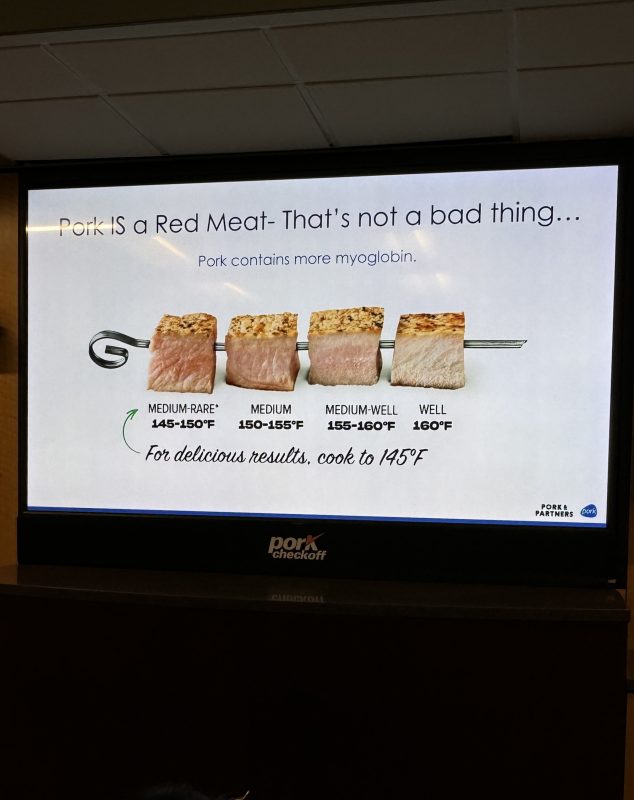
The reality? Pork is classified as red meat by the USDA, and it can safely be served with a pink center.
For the best flavor and texture, cook fresh pork to an internal temperature of 145°F, then let it rest for 3 minutes before slicing. Here’s a quick temperature guide:
- Medium-rare: 145–150°F
- Medium: 150–155°F
- Medium-well: 155–160°F
Avoid overcooking—this is the key to juicy, flavorful pork.
Final Thoughts
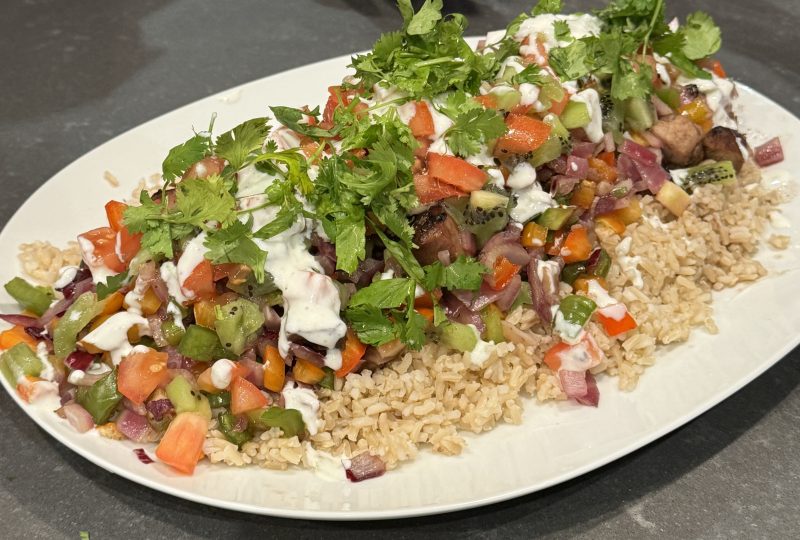
Pork is a budget-friendly, nutritious, and versatile protein source that fits into a variety of dietary patterns. Whether you’re making a quick weeknight stir-fry, a slow-cooked pork roast, or a plant-forward dish, it’s a delicious and nourishing option.
Have you tried cooking pork in a new way? Share your favorite recipes in the comments.